
Her Life. Her Loss. Her Legacy.
Taylor Nicole Jenkins
December 31, 1997 – March 22, 2023

My Entire World
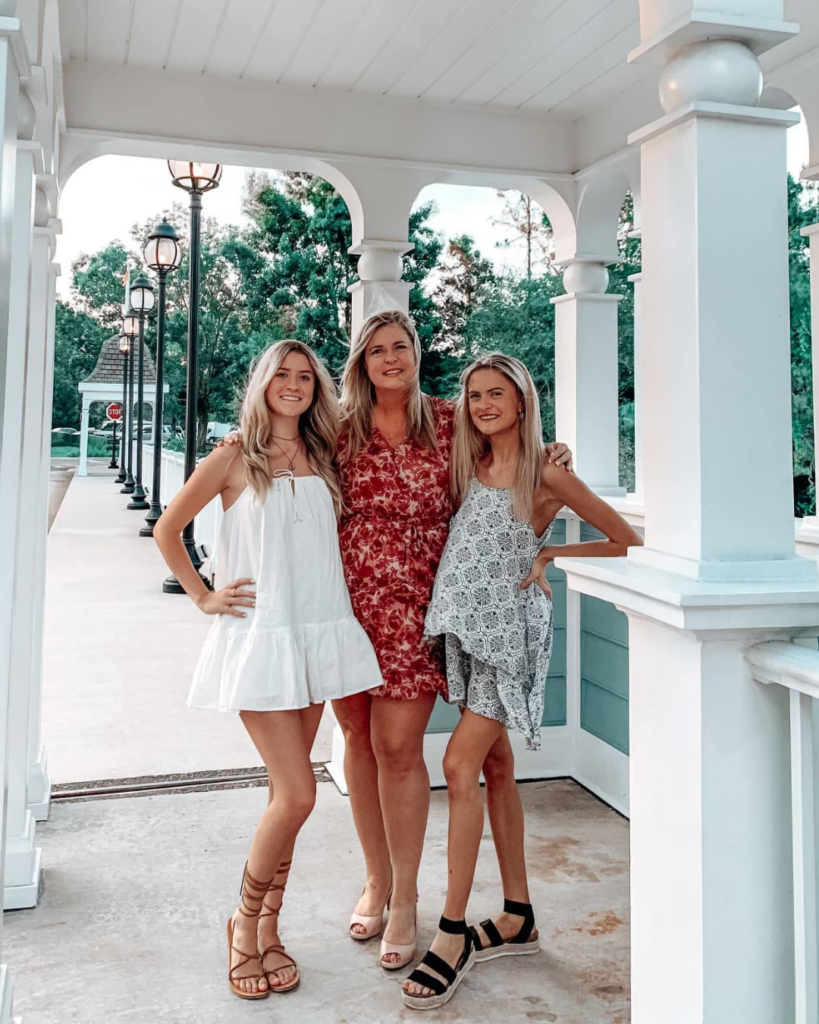
My entire world in a single photo. I have been the sole parent of my daughters most of their lives. These girls have been my reason for living, for breathing, and for everything I have done since they took their first breaths. We had so much to look forward to until Taylor took her last breath in a Florida hospital following confirmed fatal reckless medical negligence and neglect.
Taylor's Life and Dreams
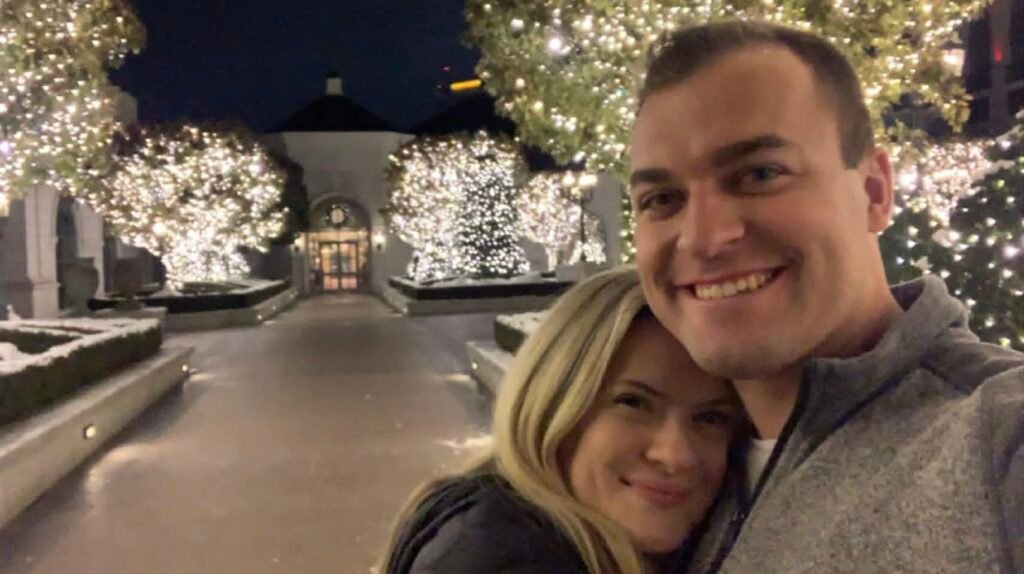
A little more than a year before her life was senselessly stolen, Taylor transferred to Southwest Airlines, where she met the love of her life, Brett, a pilot. They were planning to get engaged and build an entire life together—a future that will now never come to pass.
The Questions That Blocked Justice
When I reached out for help during the darkest time of my life—desperate to ensure this would never happen to another family—countless law firms asked me the exact same three questions:
Because Taylor met every condition of this devastating formula, I was informed that under Florida’s “Free Kill” law, her life is valued differently. Non-economic damages are capped at $0 for victims of fatal medical negligence who are 25 or older, unmarried, and without minor children. As a result, I am strategically blocked from seeking accountability because the law effectively makes it financially impossible to pursue even the economic damages (such as funeral and autopsy expenses) that the law claims are allowed.
The "Free Kill" Formula
Under Florida Statute § 768.21(8), commonly known as the “Free Kill” law, if a victim of medical malpractice is 25 or older, unmarried, and has no minor children, the law completely bars their surviving parents or adult children from recovering non-economic damages.
By capping non-economic damages at $0, the law creates a devastating Catch-22. It makes it financially impossible to seek justice or even pursue the basic economic damages the law technically states are allowed. Because medical malpractice litigation requires tens of thousands of dollars in upfront expert costs, a $0 non-economic threshold ensures no law firm can afford to take the case. The true purpose of these damage caps is to strategically block justice for deceased victims by making accountability a financial impossibility, leaving hospitals and negligent providers with zero legal or financial consequences.
When negligent actors face no financial consequences, the bill does not disappear—it is shifted directly to the public. Because families are blocked from securing a court judgment, wrongdoers and their insurers are never forced to reimburse health insurance companies, Medicare, or Medicaid for the expenses caused by their negligence. Instead, private health insurers, government programs, and everyday taxpayers are left to absorb the staggering financial aftermath of medical harm. This loophole doesn’t just block justice; it artificially inflates premiums and forces the American public to subsidize corporate negligence.

What Happened to Taylor — and Why the Public Should Be Alarmed
The records paint a clear picture of what happened on the day Taylor was rushed by ambulance to the nearest emergency room after being rear-ended while stopped at a red light. She was diagnosed with subdural hematomas and a midline shift, a life-threatening brain injury that requires immediate surgery, but the initial head CT scan was limited by excessive motion and streak artifact, making the scan unreliable. Despite these clear limitations, no further imaging was conducted to ensure a proper diagnosis and treatment.
Despite misdiagnosing Taylor with a life-threatening brain injury based on that flawed scan, the on-call neurosurgeon did not timely evaluate her in person.
Under Florida Department of Health guidelines for a Level II Trauma Center, the on-call neurosurgeon was required to perform an in-person critical care evaluation within 30 minutes of notification. He did not arrive for nearly 7 hours.
When imaging finally confirmed blood filling Taylor’s abdominal cavity, the fellow overseeing her care waited approximately seven more hours before rushing her to emergency surgery to stop the bleeding. During that delay, a mass blood transfusion protocol was ordered and administered in a predominantly red blood cell pattern instead of a balanced 1:1:1 ratio of red blood cells, plasma, and platelets, worsening her condition.
Although Taylor was explicitly identified as a bleeding risk and active warning signs of internal bleeding were documented, additional testing was delayed for eight hours. Even after imaging finally confirmed that blood was filling her abdominal cavity, another seven hours passed before emergency surgery was performed.
Taylor also had an improperly placed central line. The radiologist recommended that it be repositioned, but it was never moved. By the time Taylor was finally taken to surgery, the damage was catastrophic. After surgery, her chart stated that she had no signs of brain stem function.
The Truth Revealed
The medical examiner initially listed the misdiagnosed brain injury as Taylor’s cause of death based entirely on information provided by the hospital. However, after reviewing the full medical record, the private autopsy report and consulting with the pathologist, the medical examiner determined that the diagnosed brain injury never existed. He officially amended Taylor’s death certificate, removed the non-existent brain injury, and documented a torn pelvic artery as her true cause of death.
The Institutional Shield
Since I am strategically blocked from seeking justice through the courts to hold the wrongdoers accountable and hear them answer for their actions, I filed formal complaints with the Florida Department of Health’s Division of Medical Quality Assurance, Florida’s medical licensing board.
Despite the independent medical record review, the sworn letter of merit, the amended cause of death, the delayed response to internal bleeding, the delayed surgery, the transfusion errors, the central line issue, and the delayed neurosurgical evaluation, the Department closed my complaints. They stated they found “no probable cause” that medical malpractice occurred.
My family is not the only one. The Florida Department of Health’s Division of Medical Quality Assurance also closed the complaint filed by the family of another Florida “Free Kill” victim whose father and grandfather’s cause of death was ruled a homicide, also stating they found “no probable cause” that medical malpractice occurred. This is a systemic crisis: approximately 97% of complaints filed with the Florida Department of Health’s Division of Medical Quality Assurance are closed without formal public discipline, according to an analysis of the 2024-2025 Medical Quality Assurance Annual Report.
This is why it is critical that our fundamental constitutional rights to equal protection under the law, due process, and access to the courts are not intentionally blocked. By weaponizing $0 non-economic damage caps, the state makes the pursuit of justice a financial impossibility. When the civil justice system is starved out, the public is left to pay the price for corporate immunity.
A Florida Free Kill
The hospital and physicians faced zero accountability under Florida’s “Free Kill” law. The hospital and providers profited, while their insurer successfully dodged a claim—shifting the financial costs of their fatal medical negligence entirely away from the wrongdoers and onto the public. Those responsible moved on with their lives. Our family is left living with the consequences forever.
Why This Movement Exists
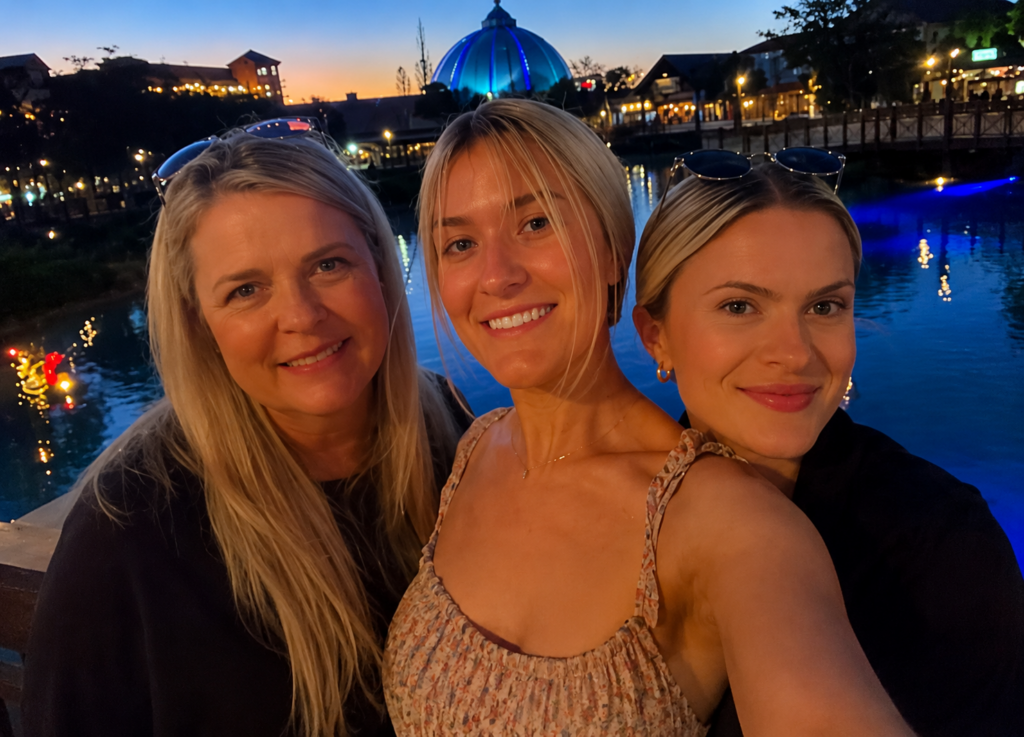
That is why I founded the Healthcare Accountability Initiative (HAI)—a national movement dedicated to exposing Florida’s “Free Kill” law, restrictive damage caps, restoring safety and accountability in healthcare, supporting affected families, and fighting for equal justice for all victims of medical negligence.
No family should face what my family has faced. No life should be valued differently under the law. No negligent provider should walk away without accountability simply because the victim was single, childless, or 25 or older.
Taylor’s story inspired the creation of HAI. While Taylor’s experience revealed significant accountability gaps within the healthcare system, HAI’s mission extends beyond a single case or law. Today, HAI works to educate the public about broader issues affecting patient safety, healthcare transparency, accountability, and family rights across the nation.